
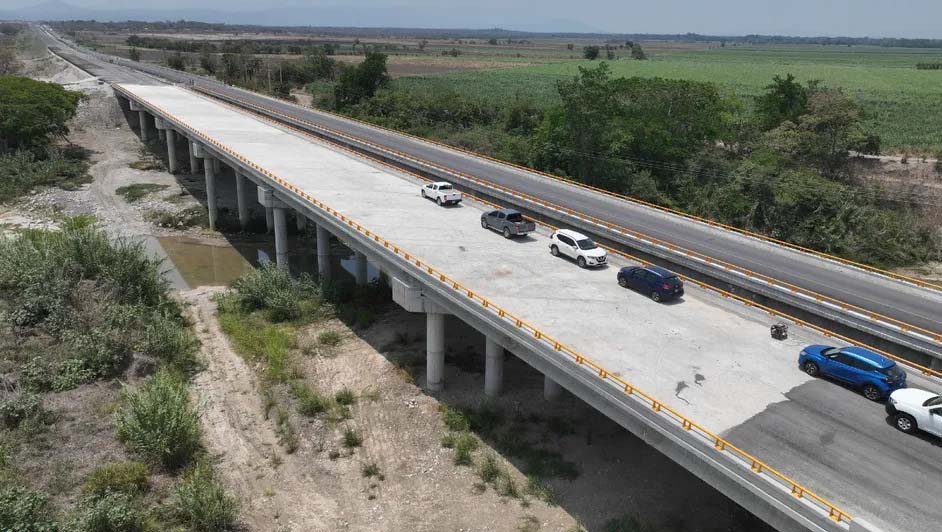
Puente Amado Nervo: una nueva conexión entre Puerto Vallarta y Riviera Nayarit
Un nuevo proyecto de infraestructura que conecta los estados de Jalisco y Nayarit, mejorando la movilidad regional y abriendo nuevas posibilidades para los residentes, los visitantes y el desarrollo local.
La conexión entre Puerto Vallarta, Jalisco, y Bahía de Banderas, Nayarit, desempeña un papel fundamental en la vida cotidiana de miles de personas y en la industria turística de la región. Durante años, gran parte del tráfico entre estos destinos ha dependido de la Carretera Federal 200, una vía utilizada a diario por vehículos particulares, transporte turístico y camiones de carga.
Con la inauguración del puente Amado Nervo el 28 de octubre de 2026, la región cuenta ahora con una nueva alternativa de transporte que refuerza la conexión entre ambos municipios. Más que un simple proyecto vial, representa un paso importante hacia un área metropolitana mejor conectada.
Un puente que conecta dos estados
El puente Amado Nervo cruza el río Ameca y conecta Bahía de Banderas, en Nayarit, con Puerto Vallarta, en Jalisco. Su construcción forma parte de iniciativas más amplias para mejorar la infraestructura vial en esta región de la costa mexicana del Pacífico, una zona que experimenta un continuo crecimiento urbano y turístico.
La estructura principal del puente tiene una longitud superior a los 800 metros, mientras que el proyecto en su conjunto, incluyendo sus vías de acceso, abarca aproximadamente dos kilómetros. Cuenta con tres carriles de circulación en cada sentido y un carril para bicicletas, además de mejoras viales complementarias realizadas por los gobiernos de Jalisco y Nayarit para conectarlo con la red de carreteras existente.
La inversión total reportada por la Secretaría de Infraestructura, Comunicaciones y Transportes (SICT) de México fue de 963 millones de pesos mexicanos, lo que incluye el puente, la adquisición de derechos de vía e infraestructura adicional. Su construcción generó, además, 2790 empleos.
Tiempos de viaje más cortos y más opciones de transporte
Uno de los beneficios más significativos de esta infraestructura es la capacidad de distribuir el tráfico entre dos rutas, ofreciendo una alternativa a quienes viajan entre Puerto Vallarta y Bahía de Banderas.
Según las autoridades federales, el nuevo puente podría reducir los tiempos de viaje entre ambos destinos hasta en 40 minutes. This is an official estimate, and actual travel times may vary depending on the starting point, destination, and traffic conditions.
The connection also links the Federación Boulevard on both sides of the river and provides a more direct route to several communities in the region, including San Vicente, El Porvenir, and Ixtapa, reducing exclusive reliance on the traditional crossing along Federal Highway 200.
For local residents, this may offer greater flexibility when planning daily commutes, traveling to work, running errands, or moving between municipalities.
A boost for tourism
Puerto Vallarta and Riviera Nayarit share a closely connected tourism economy. Their beaches, hotels, restaurants, residential developments, shops, and services attract visitors from Mexico and abroad throughout the year.
Improved road connectivity makes it easier to travel between different parts of the region. For visitors, having additional routes may simplify exploring several destinations during a single stay. For people working in tourism, it can also represent a potential improvement in daily transportation.
This new infrastructure is especially relevant in a region where tourism drives significant economic activity and where connections between municipalities are an important part of the experience for both residents and visitors.
What does this mean for the development of Riviera Nayarit?
Connectivity is one of the factors that influences how a region evolves. When transportation becomes more accessible, opportunities can expand for commercial activity, stronger connections between communities, and easier access to services.
In the case of Bahía de Banderas and Puerto Vallarta, the bridge strengthens a relationship that extends beyond state boundaries. Both destinations share workers, suppliers, visitors, and services, so infrastructure projects like this one may contribute to a more integrated regional economy.
From a real estate perspective, accessibility is an important factor when evaluating a property’s location. However, a new road connection does not automatically guarantee an increase in property values. Each area has its own characteristics that should be carefully considered, including services, infrastructure, surroundings, demand, and market conditions.
For those considering purchasing property in Puerto Vallarta or Riviera Nayarit, staying informed about infrastructure improvements provides a broader understanding of the region and the opportunities each location may offer.
A region becoming better connected
The Amado Nervo Bridge represents a significant improvement in the connection between Jalisco and Nayarit. Its opening provides a new transportation option, strengthens regional mobility, and supports the continued growth of one of Mexico’s most important Pacific coast destinations.
For those who live, work, visit, or are considering investing in this region, understanding its infrastructure and ongoing development is an important part of recognizing its potential.
At Green Realty México, we believe that getting to know a region also means understanding how it evolves. Puerto Vallarta and Riviera Nayarit continue to grow and transform, and every new connection becomes part of their development story.